Optimal Timing for Lvp Flooring Installation
Determining the optimal timing for Lvp flooring installations depends on several factors including climate, indoor conditions, and project scheduling. Typically, installation is most effective during moderate weather conditions to ensure proper acclimation and adhesion. Avoiding extreme temperatures and high humidity can prevent issues such as warping or improper bonding.
Spring and fall are generally preferred due to milder temperatures and stable humidity levels, which help ensure proper flooring acclimation.
Extreme heat or cold can affect adhesive performance and material stability. Maintaining indoor temperatures between 65-75°F and humidity levels around 40-60% is recommended.
Scheduling installations during periods of low occupancy minimizes disruptions and allows for proper curing and settling of the flooring.
Properly preparing the subfloor and controlling indoor climate conditions before installation can improve results and durability.
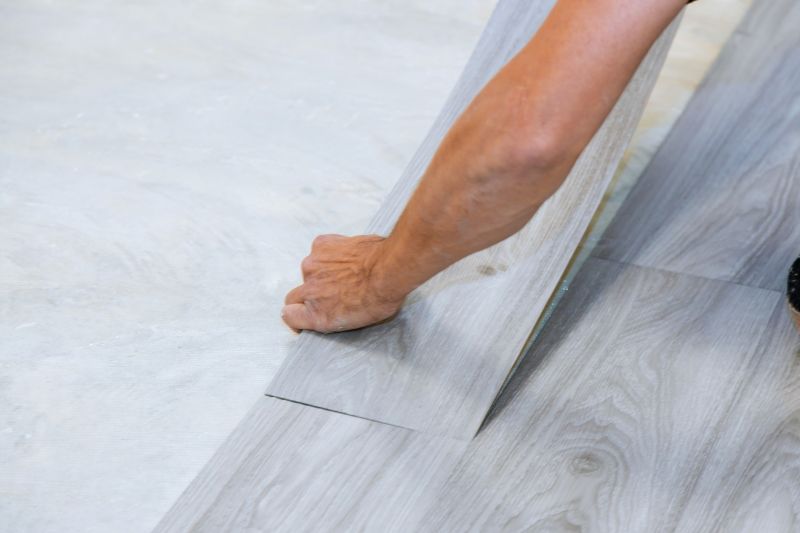
Professional installation involves precise measurement, acclimation, and placement to ensure a seamless finish.
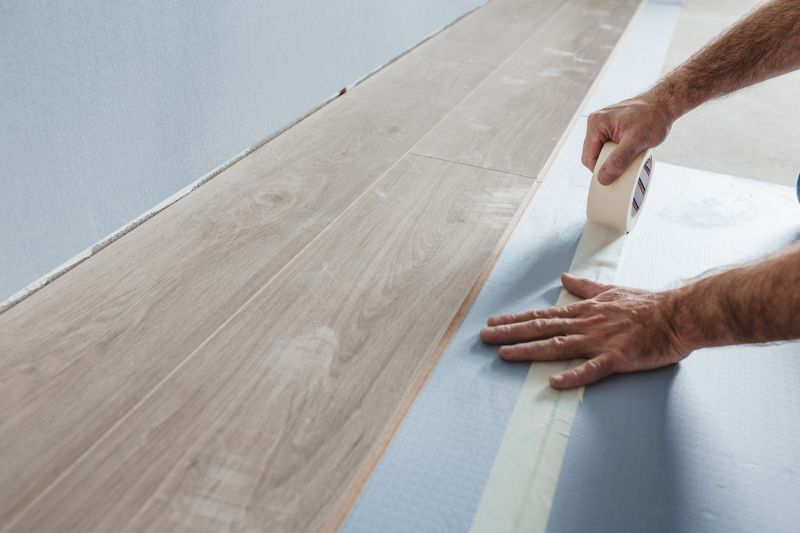
Proper subfloor preparation and climate control are essential for successful installation.
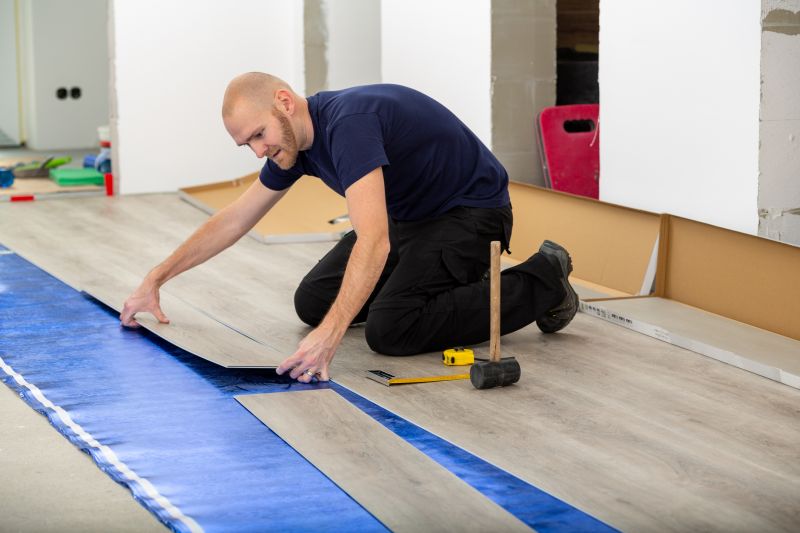
Properly installed Lvp flooring offers durability and aesthetic appeal.
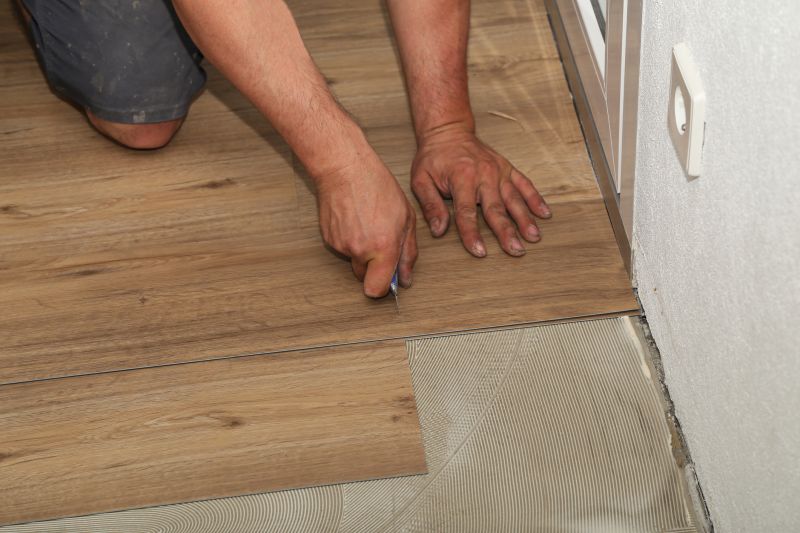
Ways to make Lvp Flooring Installations work in tight or awkward layouts.
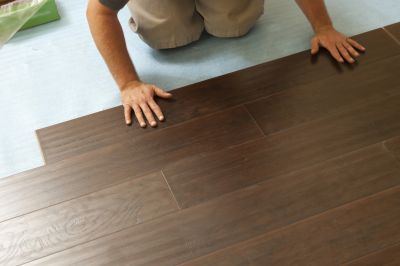
Popular materials for Lvp Flooring Installations and why they hold up over time.
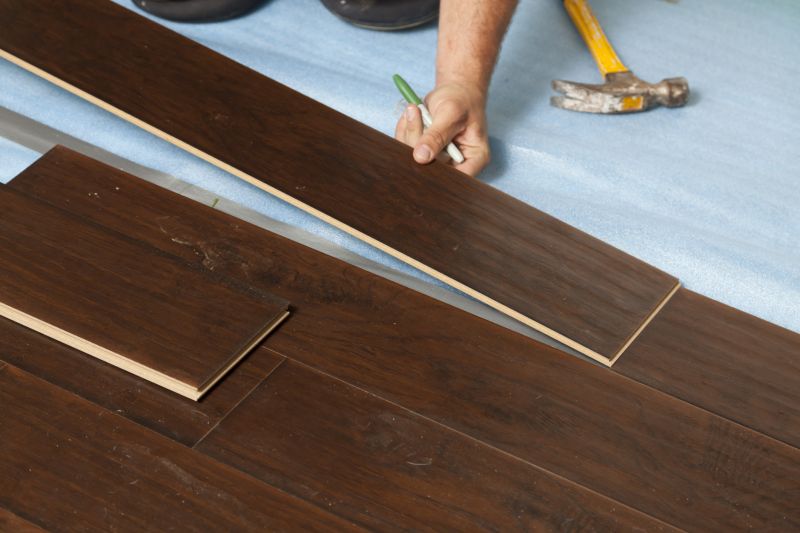
Simple add-ons that improve Lvp Flooring Installations without blowing the budget.
| Factor | Recommended Conditions |
|---|---|
| Temperature | 65-75°F |
| Humidity | 40-60% |
| Season | Spring or Fall |
| Indoor Climate | Stable and controlled |
| Project Duration | Off-peak times preferred |
| Preparation Time | Adequate subfloor prep required |
| Material Acclimation | At least 48 hours before installation |
Lvp flooring installations are a popular choice due to their durability, ease of maintenance, and versatility in design. Proper timing and preparation are crucial to achieving optimal results. Installing during favorable weather conditions and maintaining a controlled indoor environment can help prevent common issues such as warping, buckling, or uneven adhesion. The installation process typically involves acclimating the flooring to the indoor climate, ensuring the subfloor is level and clean, and carefully fitting the planks to create a seamless appearance. When installed correctly, Lvp flooring can provide a long-lasting and attractive surface suitable for residential and commercial spaces.
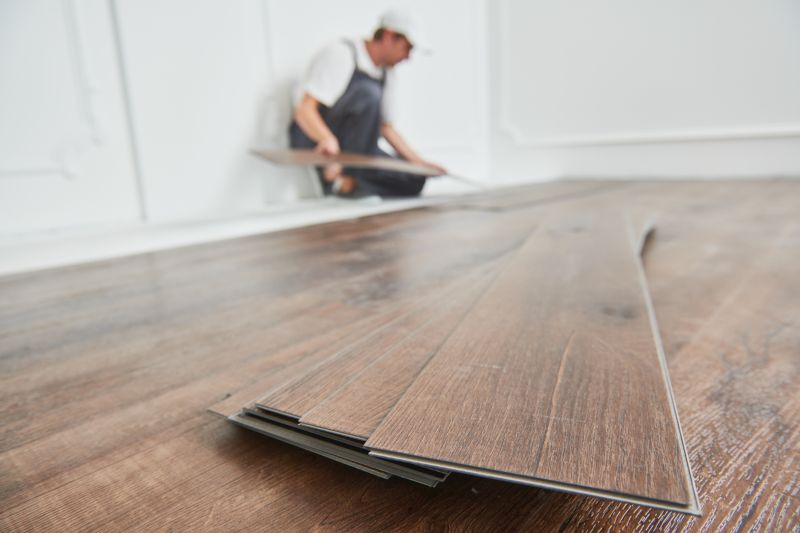
Installation underway with precise placement of planks.
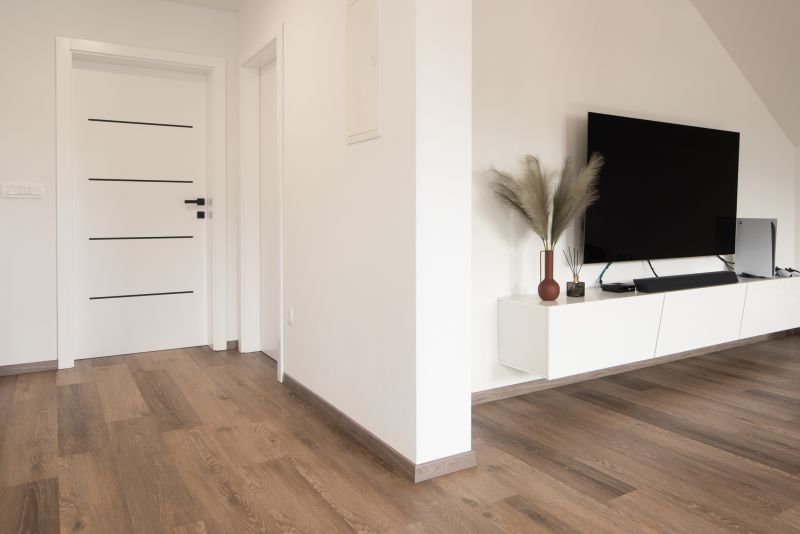
A sleek, durable surface ready for use.
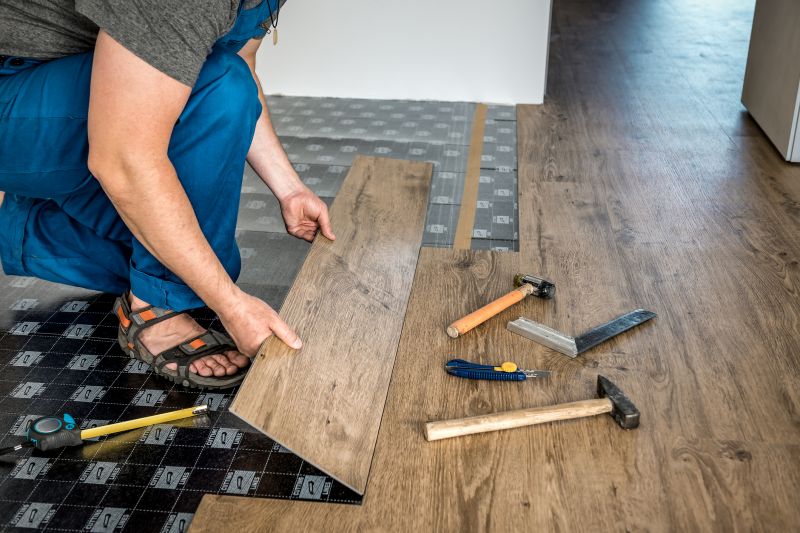
Essential equipment used by professionals.
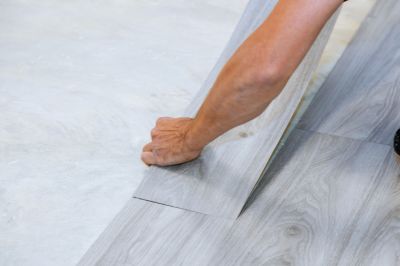
Ensuring a flat and clean surface for installation.
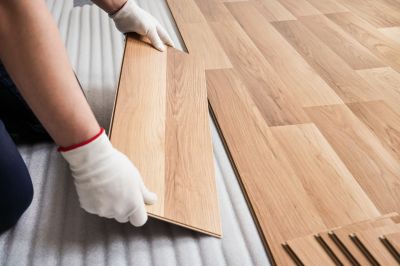
High-end options that actually feel worth it for Lvp Flooring Installations.
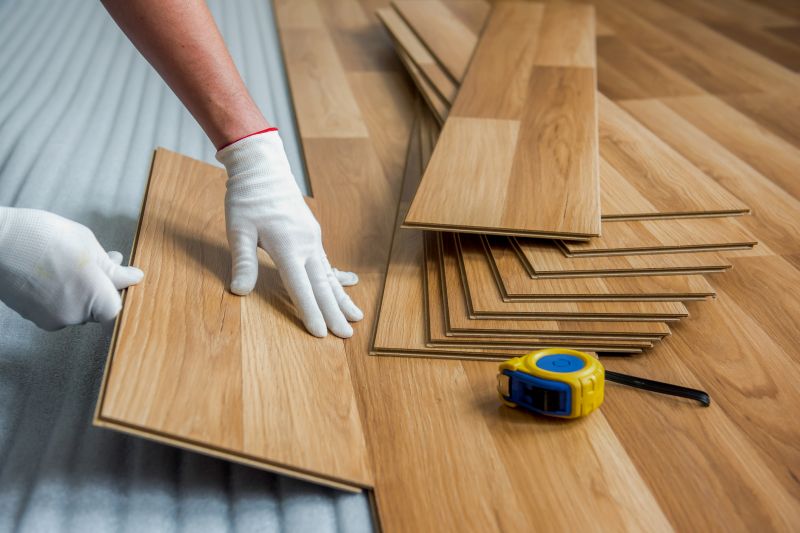
Finishes and colors that play nicely with Lvp Flooring Installations.
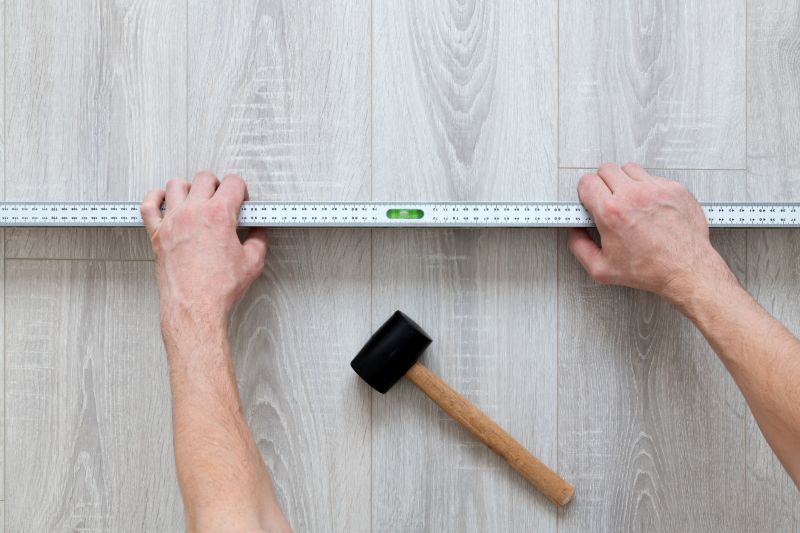
Little measurements that prevent headaches on Lvp Flooring Installations day.
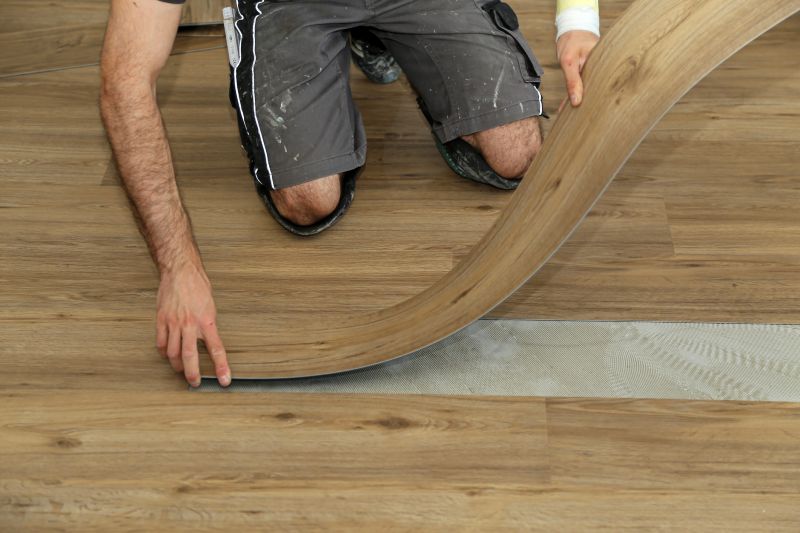
A 60-second routine that keeps Lvp Flooring Installations looking new.
Interested in Lvp flooring installation services? Filling out the contact form can provide more information and help schedule a professional assessment to determine the best timing for individual needs and project requirements.