
Essential Products For Lvp Flooring Installation Success
Learn about the key products that contribute to a seamless and durable LVP flooring installation experience.
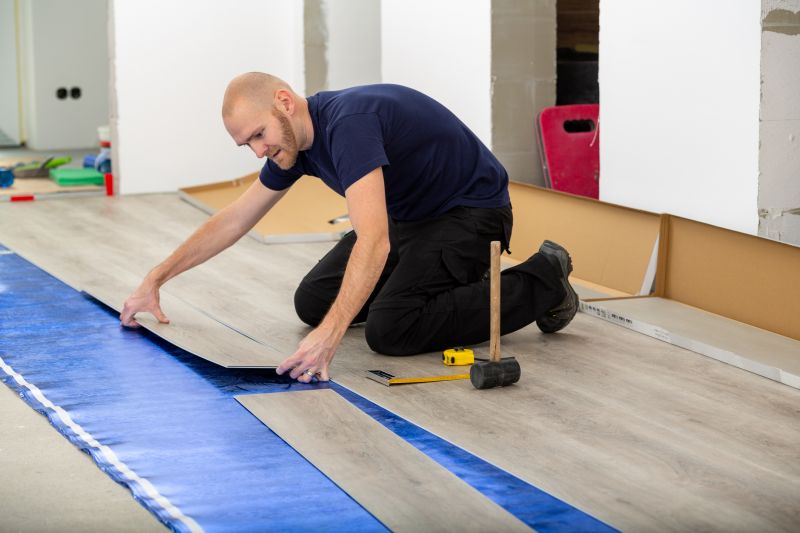 Installing luxury vinyl plank (LVP) flooring requires a combination of high-quality products and proper techniques to ensure a durable and aesthetically pleasing finish. The process typically begins with a clean, level subfloor that provides a stable base for the installation. Depending on the specific product chosen, additional materials such as underlayment or moisture barriers may be necessary to optimize performance and longevity. Selecting the right accessories and tools can make the installation process smoother and help achieve professional-looking results.
Top Overall Option
Premium Underlayment and Moisture Barrier Kit
This comprehensive kit combines a high-quality underlayment with a moisture barrier, providing a stable foundation for LVP flooring. It helps absorb minor subfloor imperfections, reduces noise, and prevents moisture intrusion, contributing to a longer-lasting and comfortable floor surface.
Types of Products For Lvp Flooring Installations
Adhesive and Glue
Specialized adhesives designed for secure bonding of LVP planks to various subfloors, ensuring stability and reducing movement.
Underlayment Sheets
Pads or sheets placed beneath the planks to provide cushioning, sound absorption, and a smoother surface for installation.
Moisture Barriers
Materials used to prevent moisture from seeping through the subfloor, protecting the flooring from warping and damage.
Transition Strips
Profiles that create a seamless transition between different flooring types or room sections, enhancing aesthetics and safety.
Edge Trim and Baseboards
Finishings that hide the expansion gaps and provide a clean, professional look at the edges of the flooring.
Floor Leveling Compound
Materials used to fill in low spots or uneven areas on the subfloor before installation.
Cutting Tools
Specialized saws and knives designed for precise cutting of LVP planks and accessories.
Seam Sealants
Products applied to seal seams and prevent water or debris ingress, ensuring a tight fit.
Tapping Blocks and Mallets
Tools used to gently tap planks into place without damaging the surface.
Expansion Gap Spacers
Plastic spacers that maintain consistent gaps around the perimeter for expansion and contraction.
Cleaning and Prep Supplies
Mops, vacuums, and cleaning solutions to prepare the subfloor before installation.
Popular Choices
Flooring planks with an adhesive backing that simplifies installation, suitable for DIY projects.
Interlocking planks that snap together without glue, offering a quick and clean installation process.
Flexible underlayment materials that provide cushioning and soundproofing for LVP floors.
Underlayments designed specifically to protect against moisture issues in basements or bathrooms.
Durable transition profiles that facilitate smooth changes between different flooring surfaces.
Tape used to seal edges and seams, preventing debris and moisture from entering.
Ready-mix compounds for smoothing out uneven subfloors prior to installation.
All-in-one kits containing adhesives, spacers, and tools for comprehensive installation support.
Materials that help reduce sound transmission between floors, enhancing comfort.
Tools essential for precise cutting and fitting of planks and accessories.
Tools used to gently tap planks into place without damaging the surface.
Sealants or tapes used to secure seams and protect against moisture.
LVP flooring is known for its versatility and ease of installation, often accommodating various subfloor conditions. However, attention to detail during preparation is crucial to prevent issues such as uneven surfaces or moisture-related problems. Proper adhesives, underlayments, and seam sealants are essential components that contribute to the integrity of the finished floor. Whether installing in a residential or commercial setting, understanding the different product options available can help ensure the installation meets expectations.
The right products for LVP installation also include specialized tools designed for cutting, fitting, and securing the planks. These tools facilitate precise cuts and adjustments, reducing waste and ensuring a tight fit. Additionally, accessories like transition strips and edge trim provide a polished look and protect the edges from damage over time. Investing in quality products and tools can enhance the durability and appearance of the final installation, making it a worthwhile consideration for DIY enthusiasts and professionals alike.
Key Buying Considerations
- Compatibility of the product with your specific LVP flooring type and subfloor conditions.
- The presence of moisture barriers or underlayment options suited for your installation environment.
- Ease of installation, especially if undertaking a DIY project, including tools required.
- Durability and wear resistance suitable for the expected foot traffic and usage.
- Sound absorption qualities to minimize noise transmission between floors.
- Flexibility and ease of cutting or fitting around corners and edges.
- Seam sealing and finishing options to ensure a clean, professional look.
- Availability of transition strips and edge trim to complete the installation aesthetically.
- Moisture resistance features to prevent warping or damage in damp areas.
- Compatibility with underfloor heating systems if applicable.
- Brand reputation and product reviews for reliability and performance.
- Cost-effectiveness, balancing quality with budget constraints.
- Environmental conditions of the installation space, such as humidity and temperature stability.
- Long-term maintenance requirements and ease of cleaning.